
Introduction
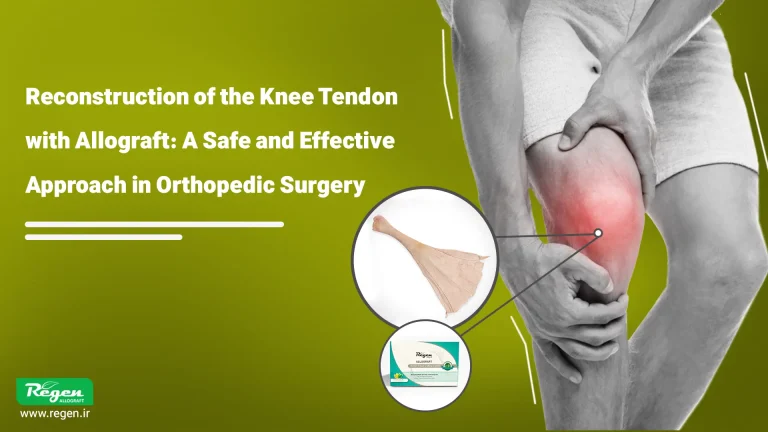
Patellar tendon rupture is a relatively rare but highly disabling injury of the knee extensor mechanism. This tendon plays a crucial role in transmitting the force generated by the quadriceps muscle to the patella and then to the tibia. When this structure is disrupted, the ability to extend the knee and bear weight is significantly impaired.
In most cases, this injury occurs as a result of direct trauma, explosive jumping, or excessive loading of the knee. Moreover, underlying conditions such as diabetes, renal failure, or long-term corticosteroid use are recognized as predisposing factors for this type of rupture.
In acute cases, if the rupture is diagnosed in a timely manner, primary repair techniques such as direct suturing or the use of suture anchors can yield favorable outcomes. However, when the rupture is complete, diagnosed late, or associated with fibrosis, shortening, or degeneration of the surrounding tissues (chronic rupture), simple suture repair is usually insufficient. In such situations, a replacement or reinforcement tendon graft is required, and reconstruction using an allograft has been introduced as an effective and reliable method.
Allografts are tissues harvested from human donors that, after appropriate processing (with or without attached bone), are used as a bridge or reinforcement for the injured tendon. The use of an allograft in patellar tendon reconstruction becomes necessary when an autograft (the patient’s own tissue) is unavailable, of poor quality, or when its harvesting would cause significant donor-site morbidity. Clinically, this approach offers several advantages, including the avoidance of donor-site injury, reduced operative time, and potentially improved reconstructive outcomes in complex cases.
From a research perspective, recent studies have demonstrated that patellar tendon reconstruction using allografts yields satisfactory functional outcomes in patients with chronic injuries or those who have undergone previous surgeries, although the incidence of certain complications—such as delayed rehabilitation or mild extensor lag—may be slightly higher.
Accordingly, it is essential for knee surgeons and rehabilitation teams to have a thorough understanding of appropriate patient selection criteria, surgical techniques, allograft types, and rehabilitation protocols in order to ensure the most optimal functional outcomes for the patient.
The purpose of using an allograft
The primary purpose of using an allograft is to replace or reinforce a damaged tendon in situations where the patient’s native tissue (autograft) is insufficient or its harvesting would cause secondary injury. For example, in chronic ruptures or secondary reconstructions, the remaining tendon length and quality may be inadequate for direct repair. In such cases, an allograft allows for restoration of the tendon’s physiological and anatomical length, enabling the surgeon to stabilize the patella at its natural height (Insall–Salvati index ≈ 1).
🎯 The purpose of using an allograft
🦴
Replacement or reinforcement of the injured tendon
The primary purpose of using an allograft is to replace or reinforce the injured tendon in situations where the patient’s native tissue (autograft) is insufficient or its harvesting would cause secondary injury. In chronic ruptures or secondary reconstructions, the allograft allows restoration of the tendon’s natural length and stabilization of the patella at its physiological height (Insall–Salvati index ≈ 1).
💪
Providing mechanical strength and reducing complications
Allografts provide sufficient mechanical strength to withstand the forces generated by the quadriceps muscle, thereby reducing the need for autograft harvesting. This approach prevents pain, weakness, or donor-site injury, making the surgical procedure safer and more straightforward.
🧬
Biological regeneration and host integration
After transplantation, the allograft gradually integrates with the host tissue, as new cells replace the grafted material. This process leads to the formation of a tendon with mechanical strength and flexibility closely resembling that of the natural tissue.
In addition to providing adequate mechanical strength to withstand quadriceps muscle forces, allografts also play a key role in reducing donor-site complications. Harvesting a tendon from the patient (such as the Achilles or quadriceps tendon) may cause donor-site pain, muscle weakness, or secondary injury to another limb, whereas the use of an allograft minimizes these risks.
From a biological perspective, allografts gradually undergo host cell infiltration and remodeling after transplantation, allowing the grafted tissue to integrate with the host. This process results in the reconstruction of a tendon with a combination of mechanical strength and flexibility closely resembling that of natural tissue.
1.Achilles Tendon Allograft
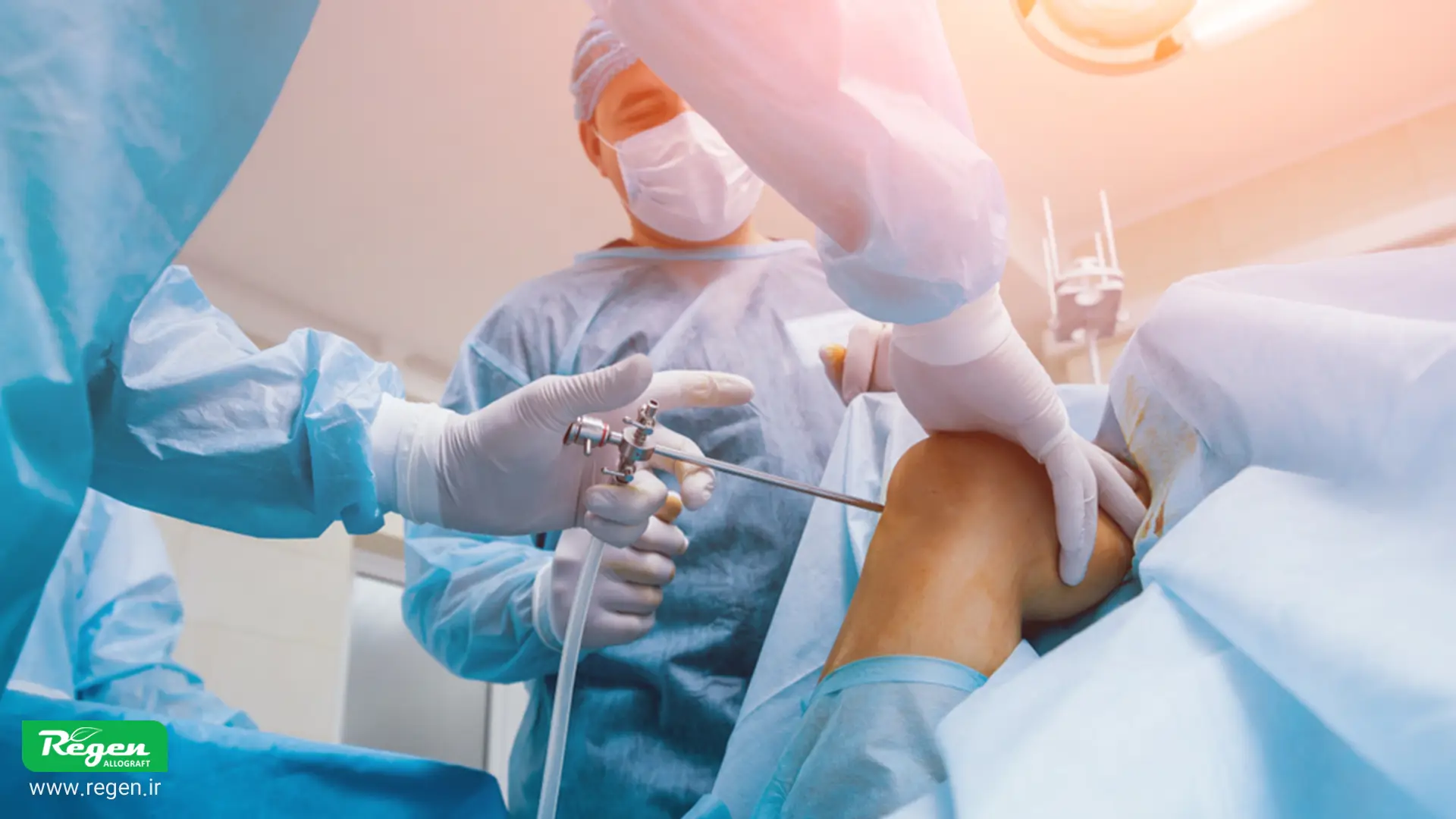
The Achilles allograft is the most common and widely used choice for complete patellar tendon reconstruction, especially in chronic ruptures. This type of allograft features a bone block at one end, which is typically fixed to the distal patella, and a long, strong tendon that allows full-length replacement of the injured tendon.
The main advantages of the Achilles allograft include:
High mechanical strength and resistance to tensile forces of the quadriceps muscle
Ability to achieve strong bone-to-bone fixation
Reduced need for autograft harvesting and minimization of donor-site complications
2. Bone-Patellar Tendon-Bone (BPTB) Allograft
This type of allograft consists of bone blocks at both ends with a tendon in the middle and is particularly suitable for reconstructions requiring direct bone-to-bone attachment. BPTB allografts are commonly used in:
chronic complete ruptures
Conditions where primary repair is not feasible
It is used for patients who require faster rehabilitation. Its main advantage is the high strength of the graft and the ability to integrate quickly with the host bone, allowing for a shorter recovery period and a faster return of range of motion.
Quadriceps or Hamstring Tendon Allograft
In some cases, surgeons may use quadriceps or hamstring tendon allografts as reinforcement techniques or in combination repairs. These methods are typically employed in situations where:
The injured tendon segment is long and requires reinforcement
Primary reconstruction with Achilles or BPTB grafts is insufficient
Surgery in patients with high physical activity levels or complex ruptures
Key Points in Allograft Selection
Selecting the appropriate type and size of allograft is one of the most important factors determining the success of patellar tendon reconstruction surgery. This decision should be based on several clinical and anatomical criteria:
Size and length of the tendon defect
The length and volume of the tendon defect are key factors in selecting an allograft. In complete or chronic ruptures, the remaining tissue may be shortened or degenerated and unable to withstand direct repair. In such cases, an allograft of sufficient length is essential to fill the gap or restore the tendon’s natural length. This ensures that the patella is positioned correctly and the reconstructed tendon length closely matches that of a healthy tendon, which is vital for quadriceps function and knee stability.
Quality of the patient’s remaining tissue
If the remaining tendon tissue is degenerated or fibrotic, the use of a long, strong allograft is recommended. Stronger tissue can withstand mechanical forces during early rehabilitation and reduces the risk of repair failure. This consideration is especially important in chronic ruptures, where the native tissue is thin and damaged.
Patient Activity Level and Needs
The patient’s activity level and functional goals are another important factor in allograft selection. Professional athletes or individuals with high physical demands require allografts with higher mechanical strength to withstand the intense forces of the quadriceps and allow a rapid return to sports. In contrast, patients with limited activity or elderly individuals may only require allografts with moderate strength.
Availability and Donor-Site Morbidity of Autograft
Harvesting the patient’s own tissue (autograft) can be associated with complications such as donor-site pain, muscle weakness, or secondary injury. Using an allograft minimizes these risks and makes the surgery safer and simpler, especially in secondary repairs or when sufficient autologous tissue is not available.
Importance of Fixation Technique
Recent studies have shown that the proper selection of allograft type, combined with an appropriate fixation technique, plays a crucial role in the success of the repair. Secure and stable fixation reduces the risk of graft loosening or failure, enhances initial tendon stability, facilitates early rehabilitation, and ultimately supports a return to daily and sports activities.
Key Considerations in Allograft Selection
Selecting the appropriate type and size of allograft is one of the most important factors determining the success of patellar tendon reconstruction surgery. This decision should be based on several clinical and anatomical criteria:
Size and length of the tendon defect
The length and volume of the tendon defect are one of the main factors in selecting an allograft. In complete or chronic tears, the remaining tissue may be shortened or atrophied. In such cases, an allograft of sufficient length is essential to restore the normal length of the tendon, ensuring the patella is positioned correctly and quadriceps function is preserved.
2.Quality of the patient’s remaining tissue
If the remaining tendon tissue is atrophied or fibrotic, the use of a high-strength allograft is recommended. This type of tissue better withstands mechanical forces during early rehabilitation and reduces the risk of repair failure, especially in chronic tears with poor or thin tissue quality.
3. Patient Activity and Demands
The patient’s activity level and functional goals play a decisive role. Professional athletes require allografts with higher mechanical strength to enable a safe and rapid return to sports activities. For less active patients, an allograft with moderate strength is sufficient.
4.Availability and Morbidity of the Autograft Donor Site
Harvesting an autograft can be associated with pain, muscle weakness, or donor site injury. The use of an allograft reduces these complications, making the surgery safer and simpler, especially in secondary repairs or when sufficient tissue cannot be harvested from the patient.
5.importance of Fixation Technique
The choice of allograft type must be paired with an appropriate fixation method. Stable and robust fixation reduces the risk of loosening, enhances initial stability, facilitates early rehabilitation, and ultimately accelerates the return to daily and athletic activities.
Surgical Technique
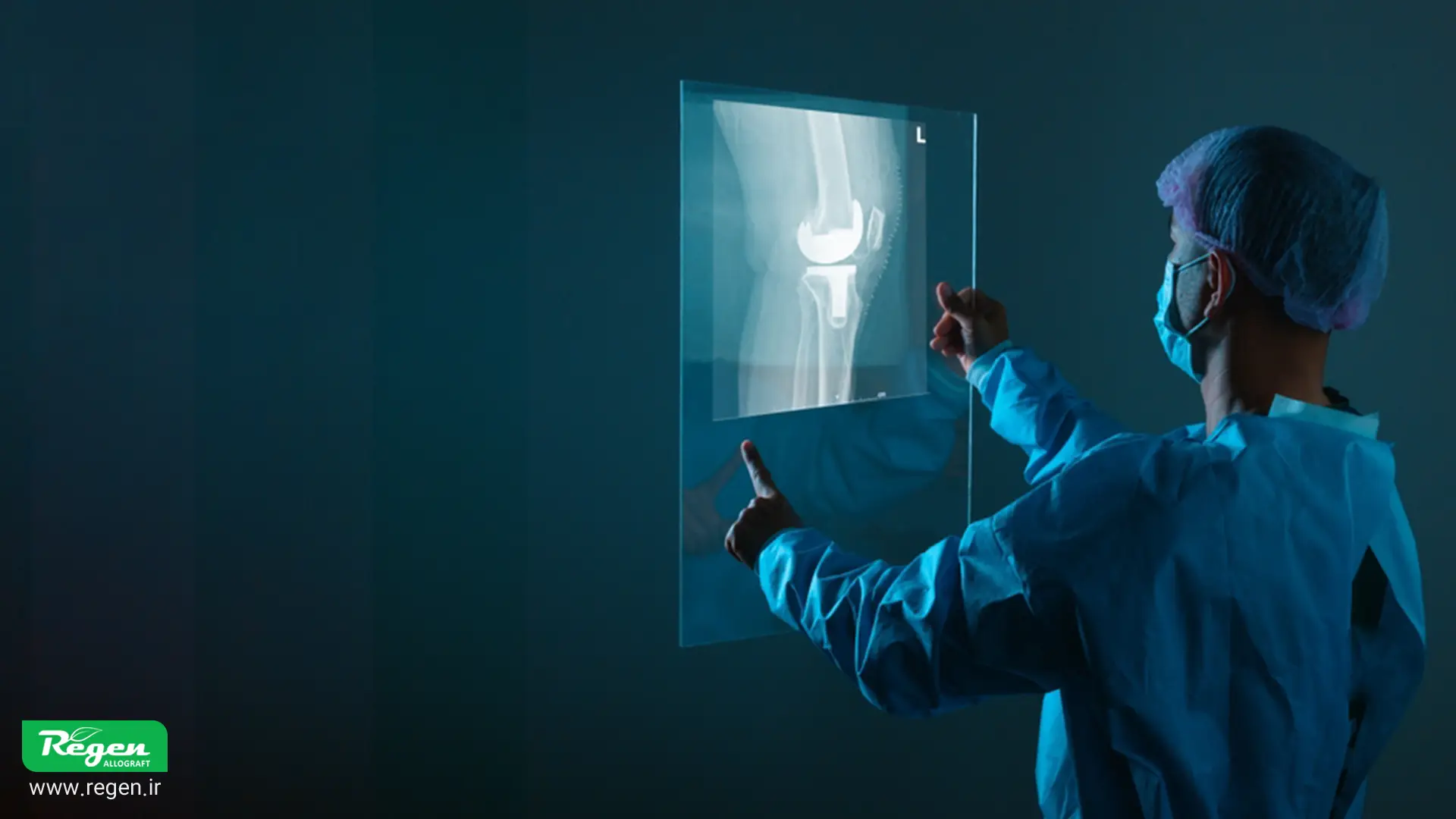
The surgical technique varies depending on the location and extent of the tear, but generally includes the following steps:
Preparation of the tear site: Removal of fibrous tissue and repair of the tendon bed.
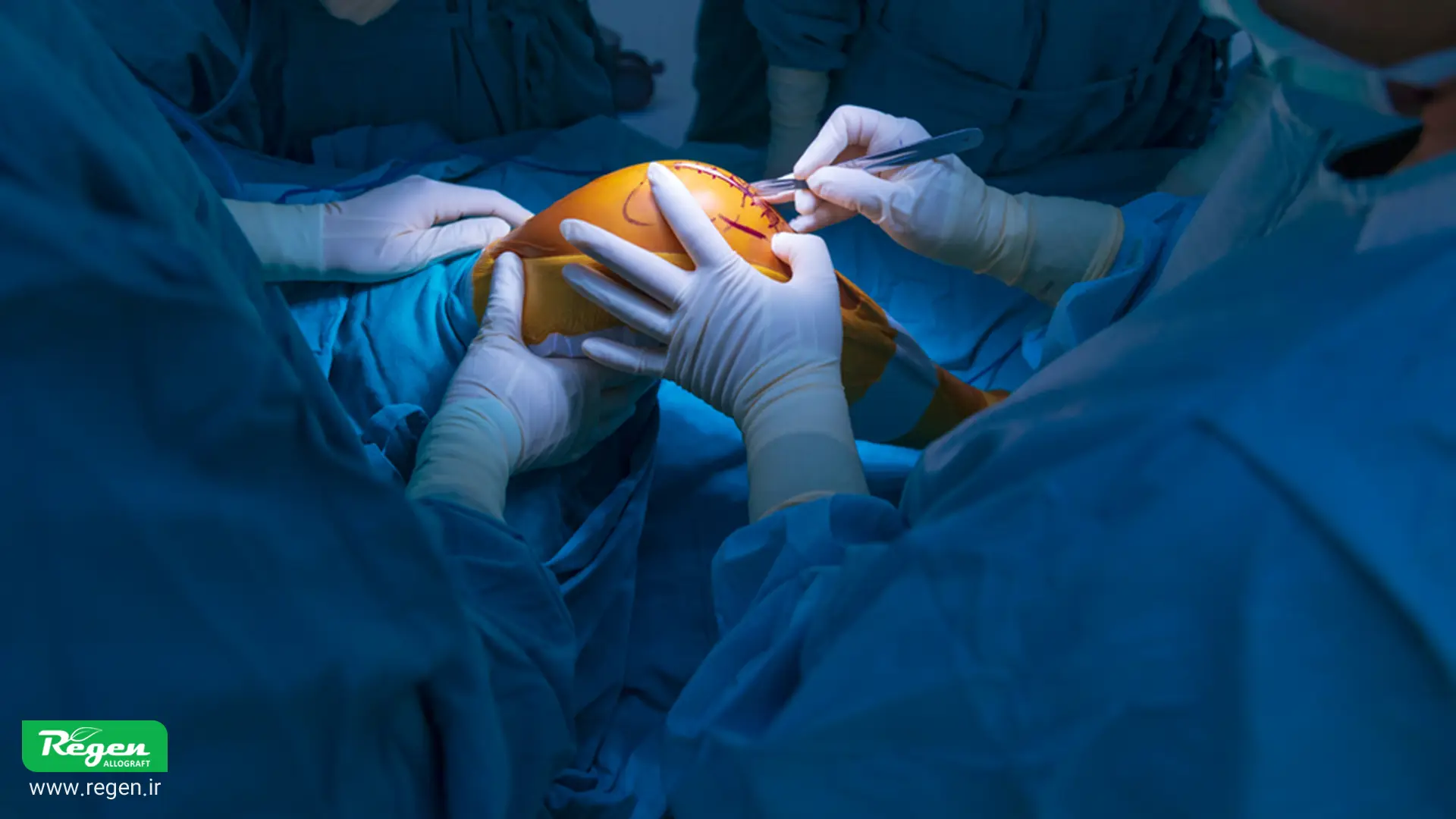
Fixation of the allograft bone block (when using Achilles or BPTB): Typically performed with a screw or anchor at the inferior pole of the patella and the tibial tubercle.
Reinforcement of sutures: with strong non-absorbable sutures (FiberWire or Ethibond) in mattress or Krakow patterns.
Reinforcement of sutures: Using strong non-absorbable sutures (FiberWire or Ethibond) in mattress or Krakow patterns.
In some chronic cases: the use of supplementary fixation with cables or adjustable loop suspension devices for initial stability.
Outcomes and Results
Recent clinical studies have shown that using Achilles or BPTB allografts for patellar tendon reconstruction provides highly satisfactory and notable functional outcomes. This method allows patients to regain nearly full normal knee function after the rehabilitation period.
1.Functional Improvement
Patients undergoing allograft reconstruction typically experience significant improvements in quadriceps strength, knee stability, and weight-bearing capacity. This functional enhancement is attributed to the high mechanical strength of the allograft and its precise fixation at the patella, allowing the natural forces of the quadriceps to be transmitted effectively.
2.Return of Range of Motion
Studies have reported that most patients are able to achieve full knee range of motion within 3 to 6 months after surgery. This timeframe may vary depending on the type of allograft, fixation technique, and severity of the initial injury, but it reflects a relatively rapid and predictable rehabilitation process.
3.Return to Sports Activities
In athletes or active individuals, the rate of return to sports activities has been reported between 70% and 90%. This indicates that allograft reconstruction can restore not only daily function but also the ability to perform intense activities and professional-level sports.
Complications and Risks
As with any surgical procedure, the use of allografts carries some potential complications; however, in most studies, these occurrences are rare and manageable:
Mild immune reaction: The body may respond to the grafted tissue, but this reaction is usually limited and transient.
Surgical site infection: Low incidence, often manageable with antibiotic therapy.
Graft fixation failure or loosening: In rare cases, secondary surgical intervention may be required.
Disruption in the length or position of the reconstructed tendon: If initial fixation is weak or the allograft length is improperly selected, it may affect range of motion and functional outcomes.
5.Clinical Message
Study results indicate that the appropriate selection of allograft type, precise fixation technique, and a structured rehabilitation program play a crucial role in surgical success. Allograft reconstruction, particularly in chronic cases or complete ruptures, is considered a safe, effective, and reliable method for restoring knee function.
📊 Outcomes and Results
Recent clinical studies have shown that using Achilles or BPTB allografts for patellar tendon reconstruction provides highly satisfactory and notable functional outcomes. This approach allows patients to regain nearly full normal knee function after rehabilitation.
Functional improvement
Patients undergoing allograft reconstruction typically demonstrate significant improvements in quadriceps strength, knee stability, and weight-bearing capacity. The high mechanical strength of the allograft and precise fixation at the patella are the primary factors contributing to this improvement.
Return of range of motion
Most patients are able to achieve full knee range of motion between 3 to 6 months after surgery. This timeframe may vary depending on the type of allograft and severity of the injury, but it reflects a rapid and predictable rehabilitation process.
Return to sports activities
In active patients or athletes, a return to sports activities has been reported in 70–90% of cases. This indicates that reconstruction with an allograft can provide the necessary functional strength and stability for demanding activities.
Complications and Risks
Although the use of allografts is considered safe, it may be associated with mild immune reactions, surgical site infections, graft fixation loosening, or errors in tendon length, most of which are manageable.
Summary and Clinical Message
Patellar tendon reconstruction using an allograft is an effective option for patients with chronic or irreparable ruptures. This method preserves knee extension strength, minimizes donor-site morbidity, and promotes faster functional recovery. The choice of allograft type should be based on the patient’s condition, the length of the tendon defect, and the surgeon’s experience.
To purchase and obtain the price of knee tendons, please contact the phone numbers listed on the Iranian Tissue Products website.
References
- Haber, D. B., Ruzbarsky, J. J., Arner, J. W., & Vidal, A. F. (2020). Revision patellar tendon repair with anchors, allograft augmentation, and adjustable‑loop suspensory fixation. Arthroscopy Techniques, 9(11), e1773‑e1779. https://doi.org/10.1016/j.eats.2020.07.003 (PMC)
- Cregar, W., Fortier, L. M., Kerzner, B., Dasari, S. P., Gursoy, S., & Chahla, J. (2022). Double‑row suture anchor fixation and Achilles allograft augmentation for chronic patellar tendon rupture repair. Arthroscopy Techniques, 11(4), e631‑e638. https://doi.org/10.1016/j.eats.2021.12.017 (PubMed)
- Spivey, M. G., Campbell, M. P., Gammon, L. G., & Vap, A. R. (2021). Patellar tendon allograft reconstruction: A surgical technique for management of chronic patellar tendon insufficiency. Journal of Experimental Orthopaedics, 8(1), 42. https://doi.org/10.1177/26350254211011485 (PMC)
Choi, H. S., Jang, B‑W., Chun, D‑I., Kim, Y. B., Seo, G‑W., & Hwang, J. et al. (2021). Staged patellar tendon reconstruction using doubled bone‑patellar tendon‑bone allograft for infected patellar tendon rupture: A rare case report of three years follow‑up. Journal of Experimental Orthopaedics, 8, 13. https://doi.org/10.1186/s40634-021‑00334‑1 (SpringerOpen)