

Bone Shaft
Choose File
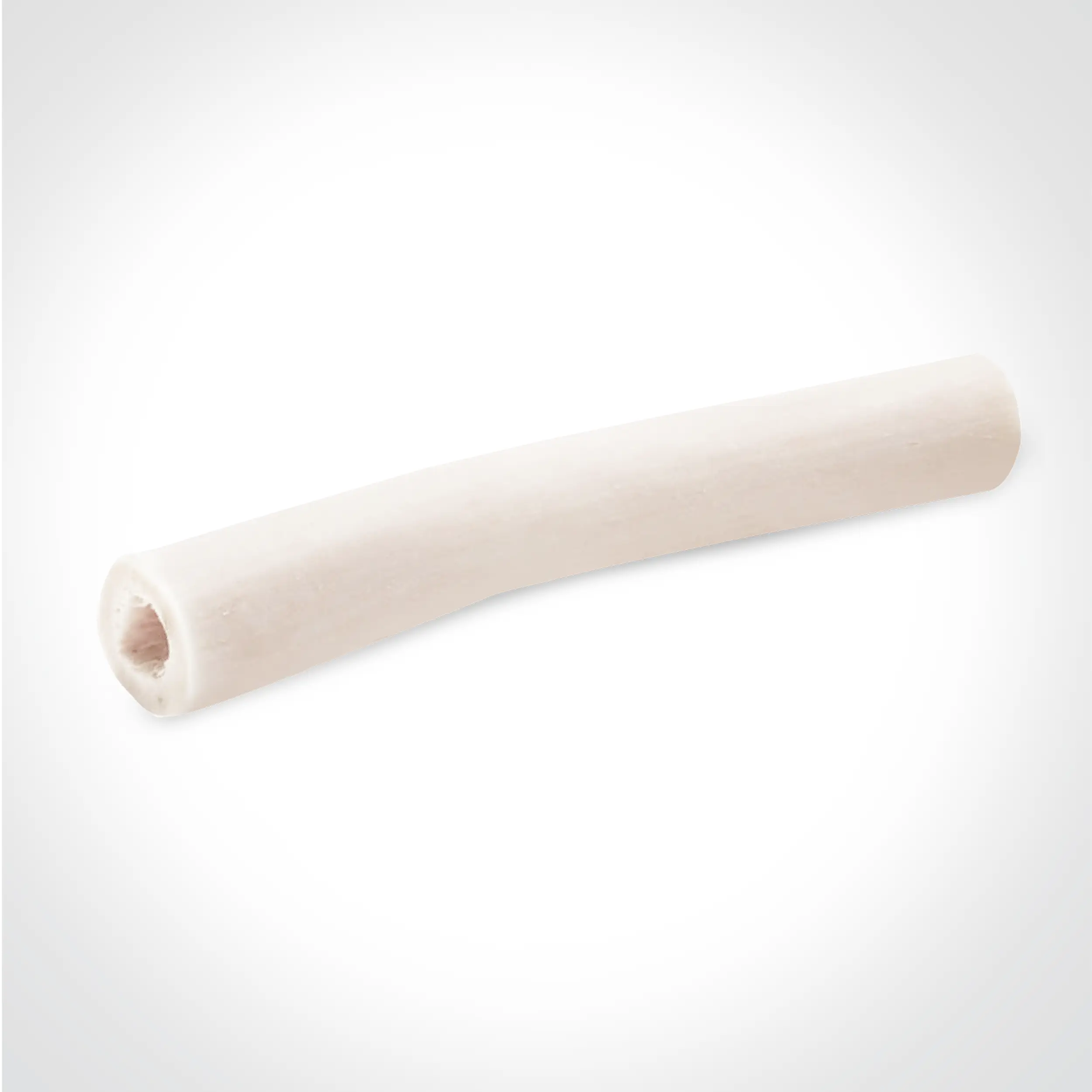
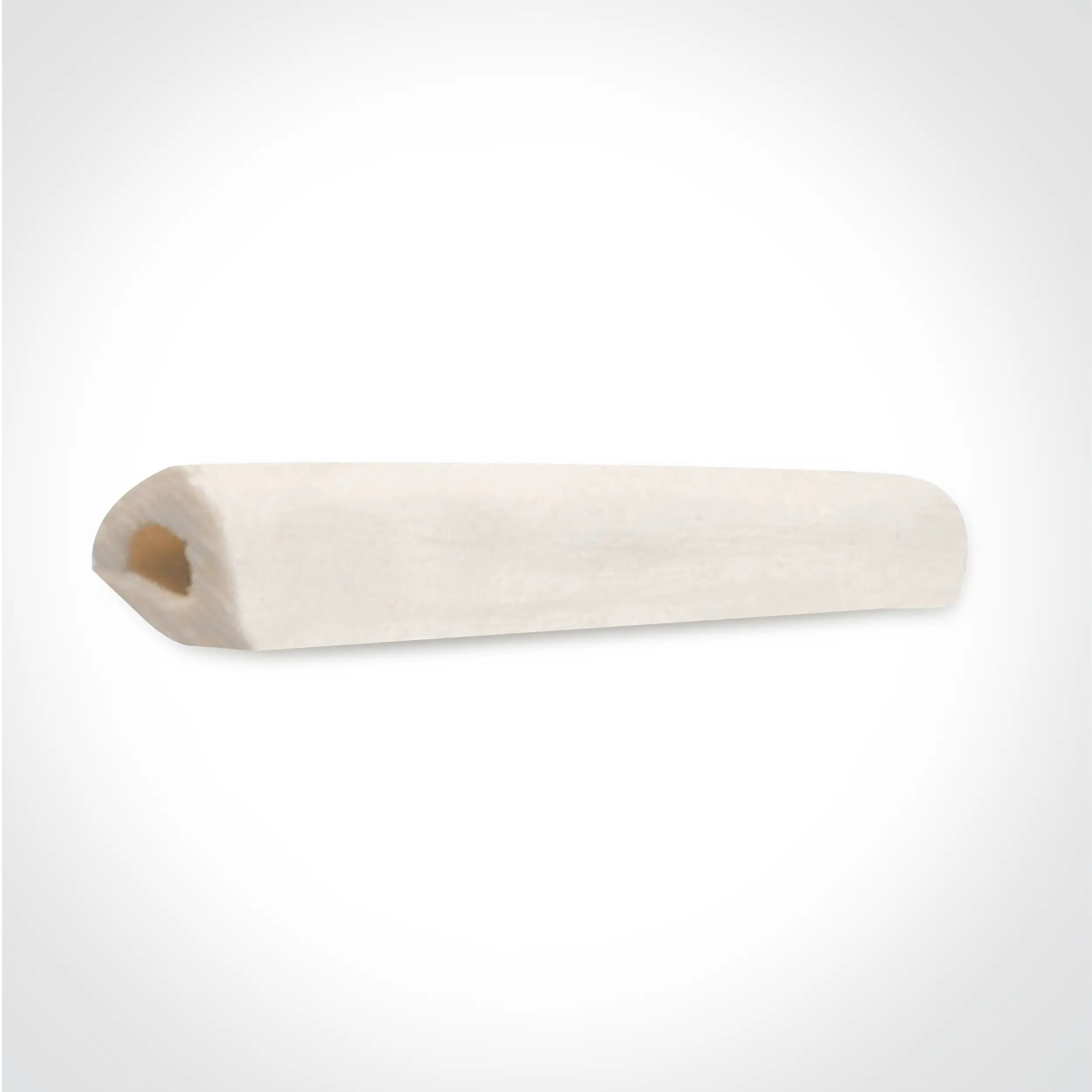
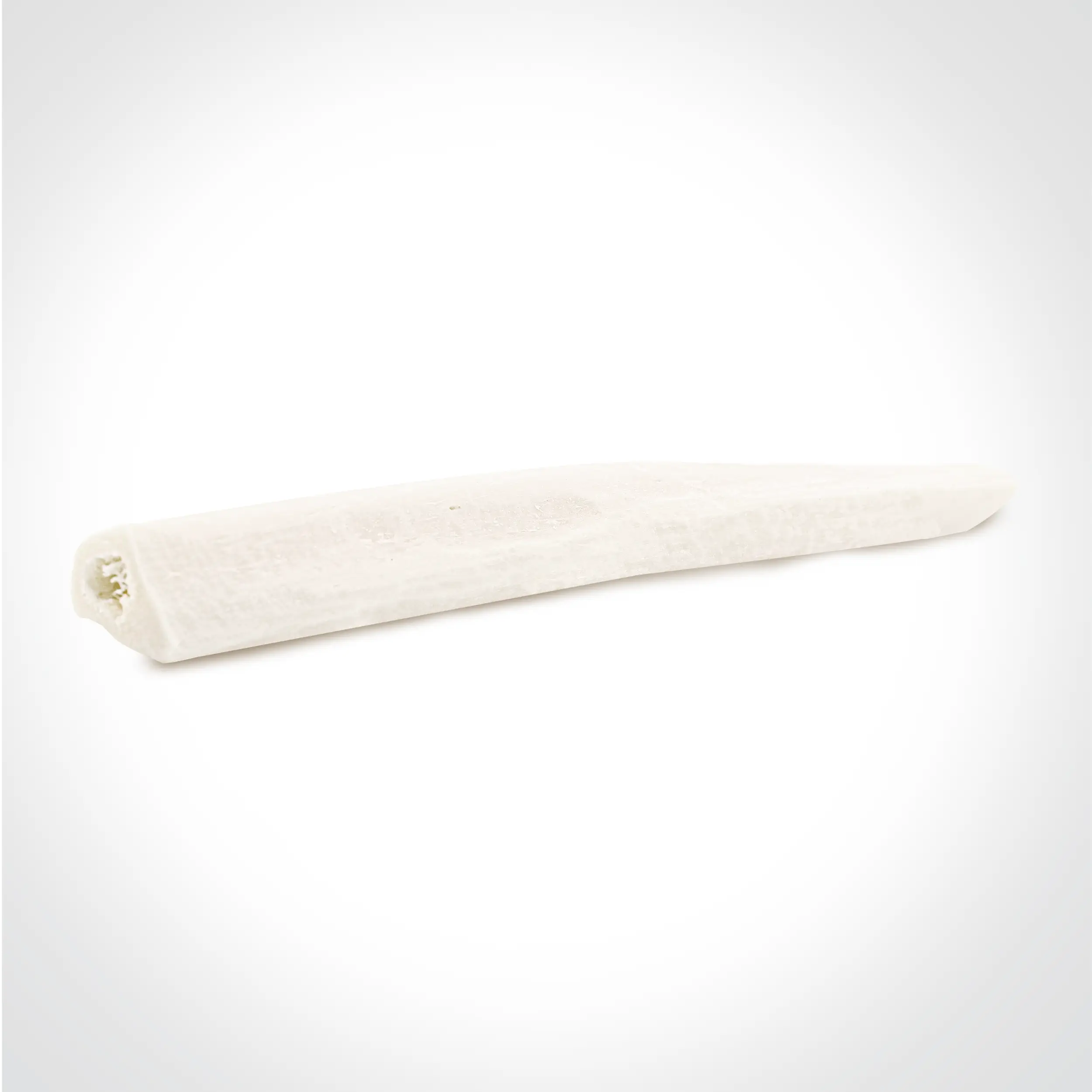
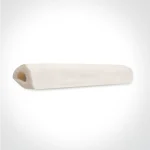
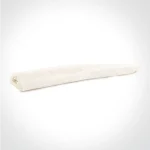
What is an Allograft Bone Shaft?
An allograft bone shaft refers to the use of a segment taken from the shaft of long bones as a bone graft. This graft is usually in the form of an elongated cylindrical piece and is applied for replacement or reconstruction of bone segments affected by necrosis, severe fractures, tumors, or extensive bone resections.
Characteristics:
Usually obtained from a bone bank.
Unlike autografts (grafts harvested from the patient’s own body), it does not cause donor site morbidity.
Applications:
Reconstruction of large bone defects in orthopedic surgery and bone tumor resection.
Use in reconstructive surgeries when a large volume of bone is required.
Providing mechanical support in cases where high strength is necessary (since the bone shaft is cortical and dense).
Quick Access Menu
Product Description
Contact us
Get expert advice
Contact our experts for free guidance and advice, or read our About Us page to learn more about us.
Related content




Some of our products
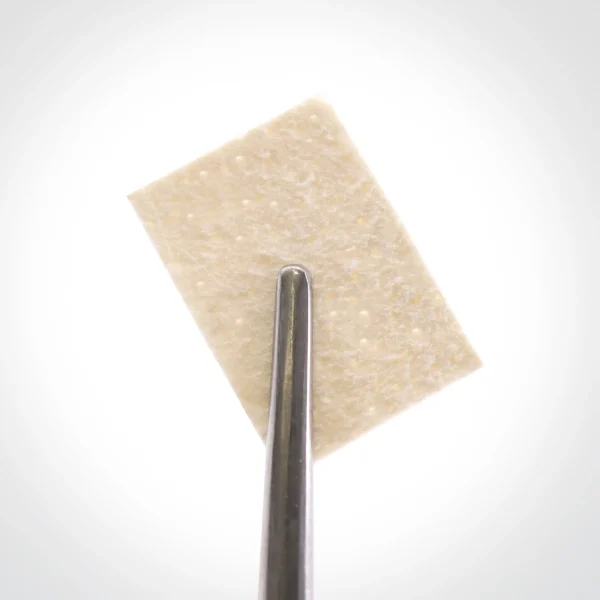
The acellular dermis membrane collagen membrane, contains basement membrane on one of its surfaces. It can provide a dense and impenetrable layer against microorganism and pathogen penetration into deeper layers.
So the membrane surface can stay exposed in high-perfused tissue of the oral cavity. The product origin is the collagen membrane (skin dermal layer), which consists of strong collagen type I and III fibers that strengthen the product, and also elastic fibers causing flexibility. This collagen membrane results in product’s unique features.
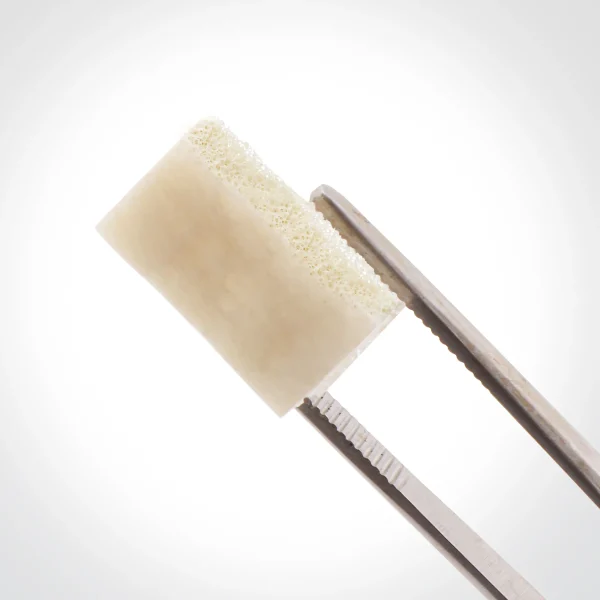
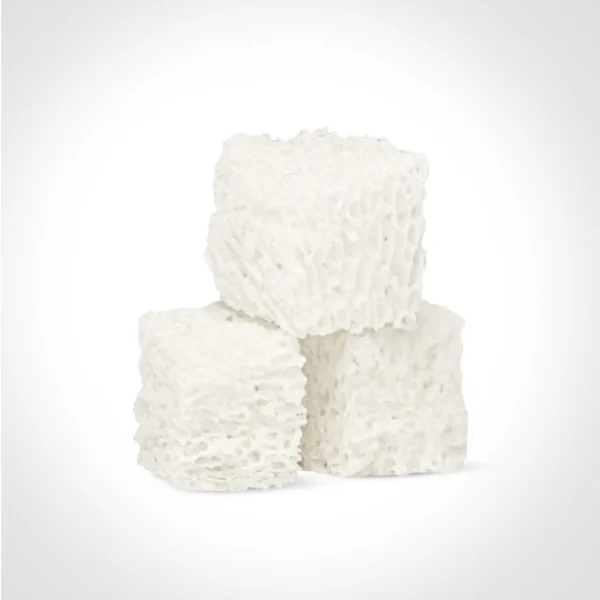
Freeze-dried bone allograft as Bone grafting such as Cube, Matchstick and Block forms has revolutionized orthopedic and maxillofacial surgeries, offering distinct advantages due to their unique compositions. Cube and Matchstick configurations consist solely of cancellous bone, while block formations comprise a core of cancellous bone enveloped by a cortical surface. These allograft are meticulously processed to decellularization and ensure sterilization. The resulting grafts provide essential structural support and seamlessly integrate with the recipient’s bone, promoting the formation of new bone.
Cube and block bone allografts effectively address osseous deficiencies caused by various conditions, from post-traumatic injuries to degenerative diseases and reconstructive procedures. In dental implantology, they serve as a reliable scaffold for augmenting deficient mandible and maxilla structures and facilitating successful implant placement. Moreover, in reconstruction surgeries, these grafts significantly contribute to restoring maxillofacial and skeletal, enabling patients to regain both physical form and function.
Ongoing refinement of bone grafting techniques, along with continued research and innovation, will further enhance the applications and outcomes of cube and block bone allografts, elevating the standard of care in orthopedic and maxillofacial surgeries.